The Science of Love at First Sight
What happens in your brain and body when love strikes like lightning.
What happens in your brain and body when love strikes like lightning.
I'll be honest — I used to think explaining love through science was a way of killing its magic. Like learning how a magic trick works. But the more I read, the more I realized: the biology of love at first sight is, in its own way, even more astonishing than the poetry.
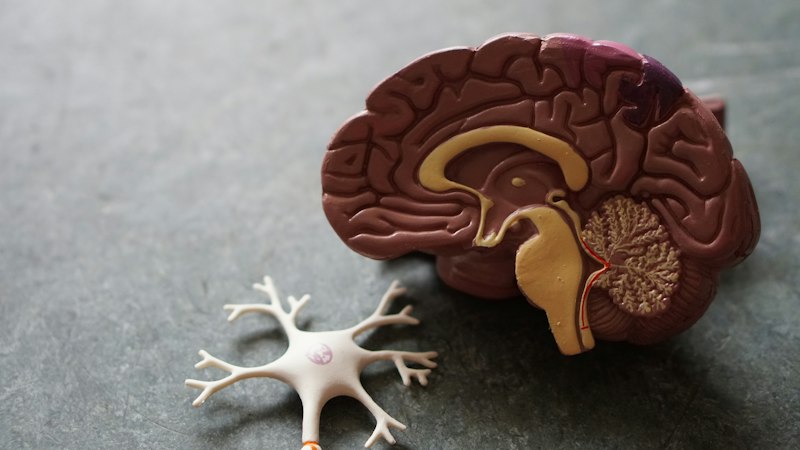
Research suggests it takes about a fifth of a second to decide if you're attracted to someone. That's barely a heartbeat. In that blink of time, your brain processes symmetry, body language, and dozens of micro-cues you're not even aware of. Studies using MRI scans show that the same brain regions that light up when a drug addict gets a fix also activate when someone sees a person they find attractive. It's that powerful. And that fast.
When you experience love at first sight, your brain basically throws a party. Dopamine floods your system — that's the reward chemical, the one that makes you feel euphoric. Norepinephrine kicks in, making your heart race and your palms sweat. This is why you feel "butterflies." It's also why you might say something stupid. Meanwhile, oxytocin — the bonding hormone — starts building attachment. All of this happens in seconds. Your body has decided before your conscious mind has caught up.
Eye contact might be the closest thing we have to magic. Studies show that sustained eye contact — even just two minutes — can produce feelings of deep connection between strangers. Pupil dilation is a big part of this. When we see something we like, our pupils dilate. And when someone's pupils dilate while looking at us, our brain reads it as attraction. It's a feedback loop. A silent conversation happening beneath language.
Fair question. The honest answer is: it's probably both, at first. The brain doesn't clearly separate the two in those early moments. What matters is what happens next. The initial spark can grow into lasting love. Or it can fizzle out. The science doesn't tell us which — it only tells us the fire exists. Whether you feed it or walk away is entirely up to you.